Pattern 01
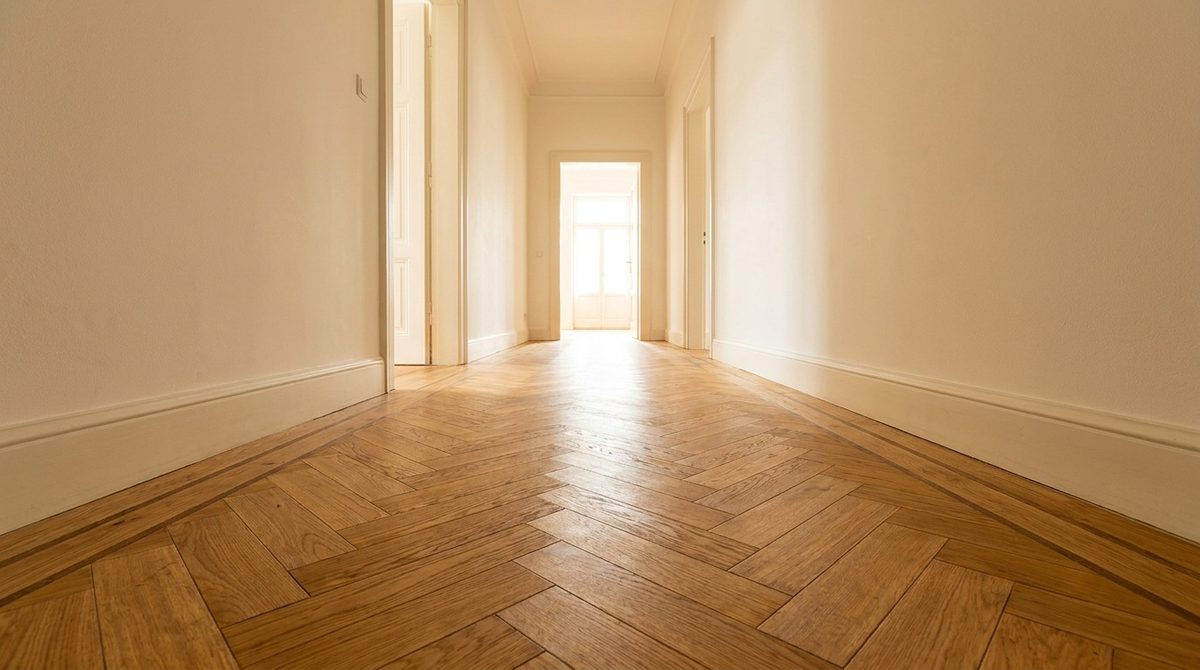
Herringbone
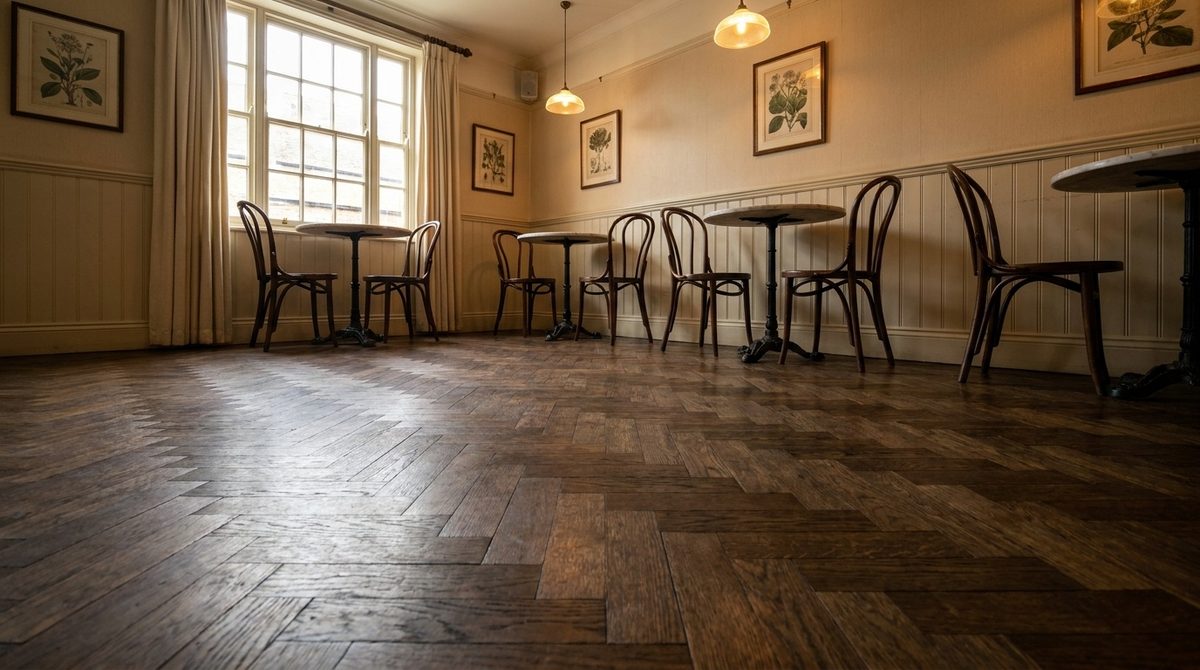
Blocks set at a right angle with a double border running the walls. It suits halls and older rooms, and it hides a wall that is out of square better than any straight run.
Grainhouse supplies and lays hardwood, engineered board, luxury vinyl, tile and stone. We prepare the ground first, rack the boards by figure, and finish on site so the whole floor reads as one surface.
Each of these behaves differently underfoot, in heat, and around water. Here is where we would put each one, and what it asks of the room below it.
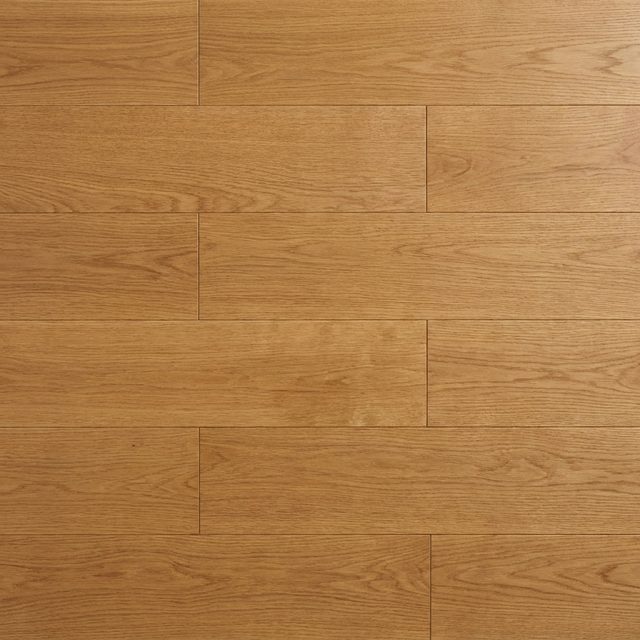
Full thickness oak, ash and walnut. Sandable four or five times over its life, so it can be reset rather than replaced.
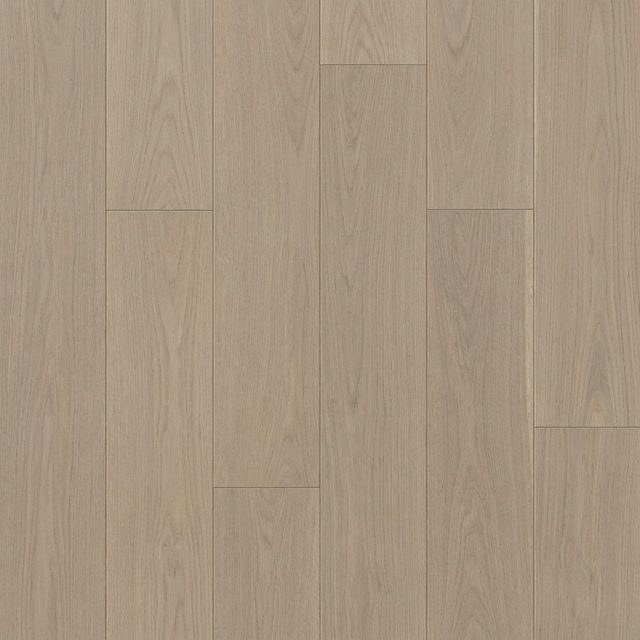
A real timber wear layer on a cross bonded ply core. Holds its shape through a heating cycle, which is why it takes the widest boards.
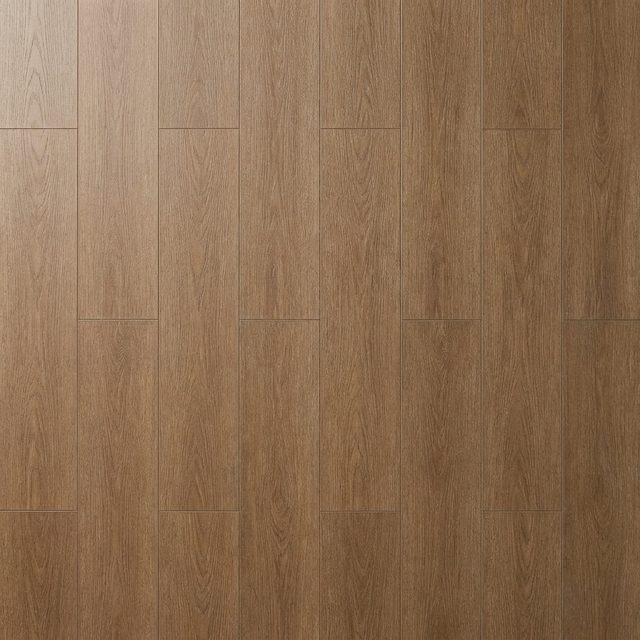
Rigid core planks that shrug off spills and pet claws. The one we fit in utility rooms, bathrooms and busy family kitchens.
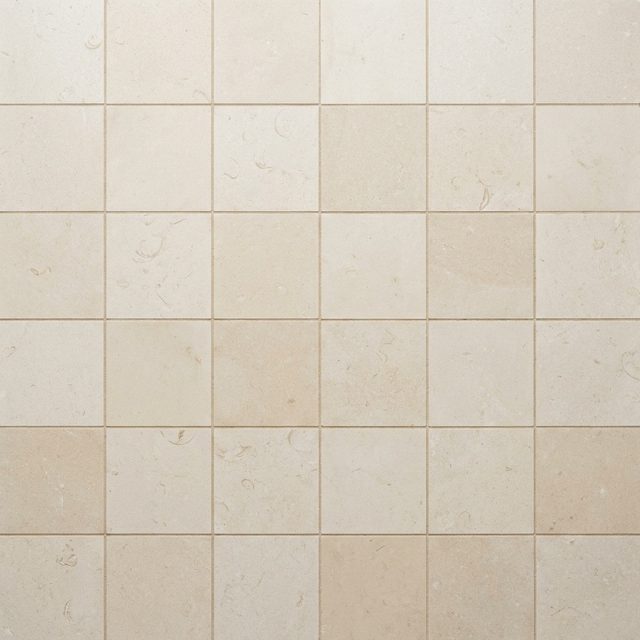
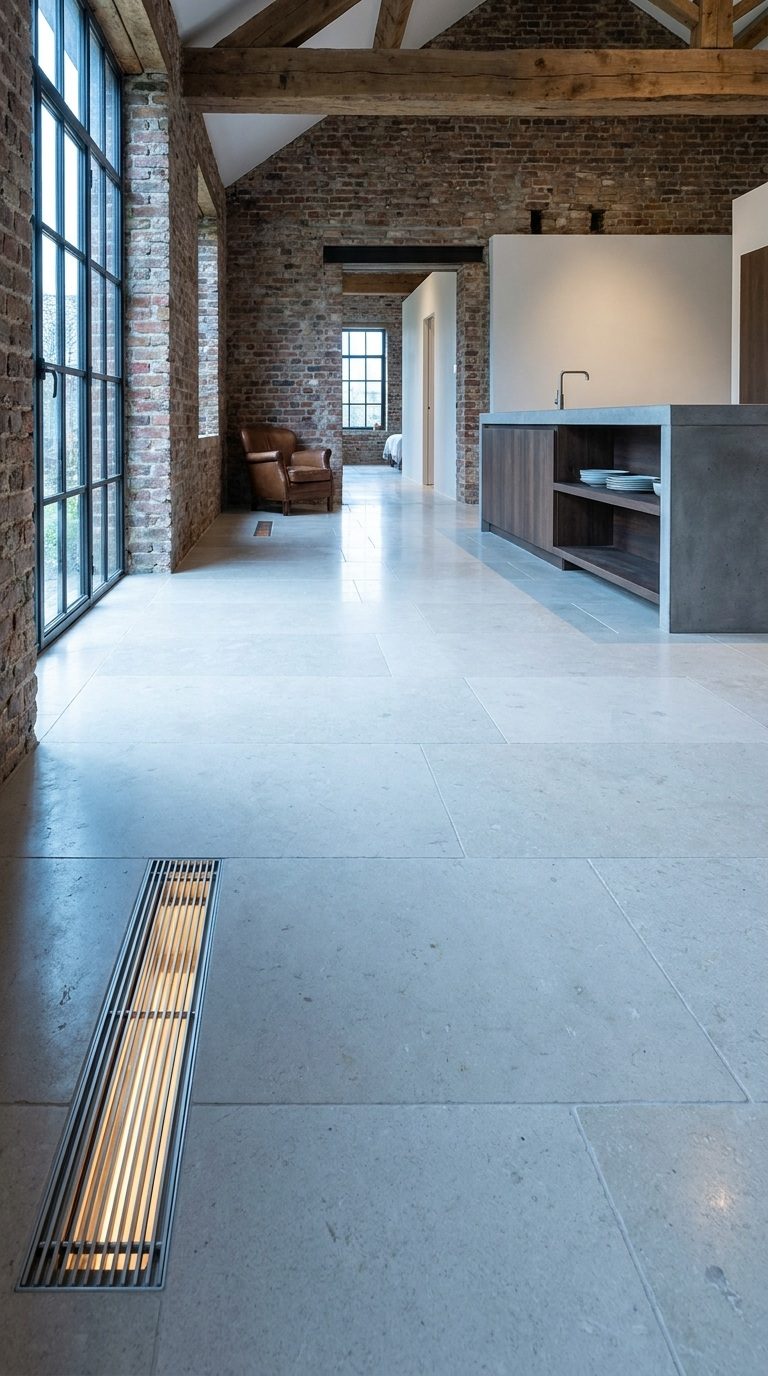
Porcelain, limestone and marble on a decoupling membrane. Dense, cool and the best partner for underfloor heating.
Pattern changes how big a room feels more than color does. Narrow blocks busy a floor and shorten it. Wide planks running toward the light stretch it. We set out every room on paper before a board is cut.
Blocks set at a right angle with a double border running the walls. It suits halls and older rooms, and it hides a wall that is out of square better than any straight run.
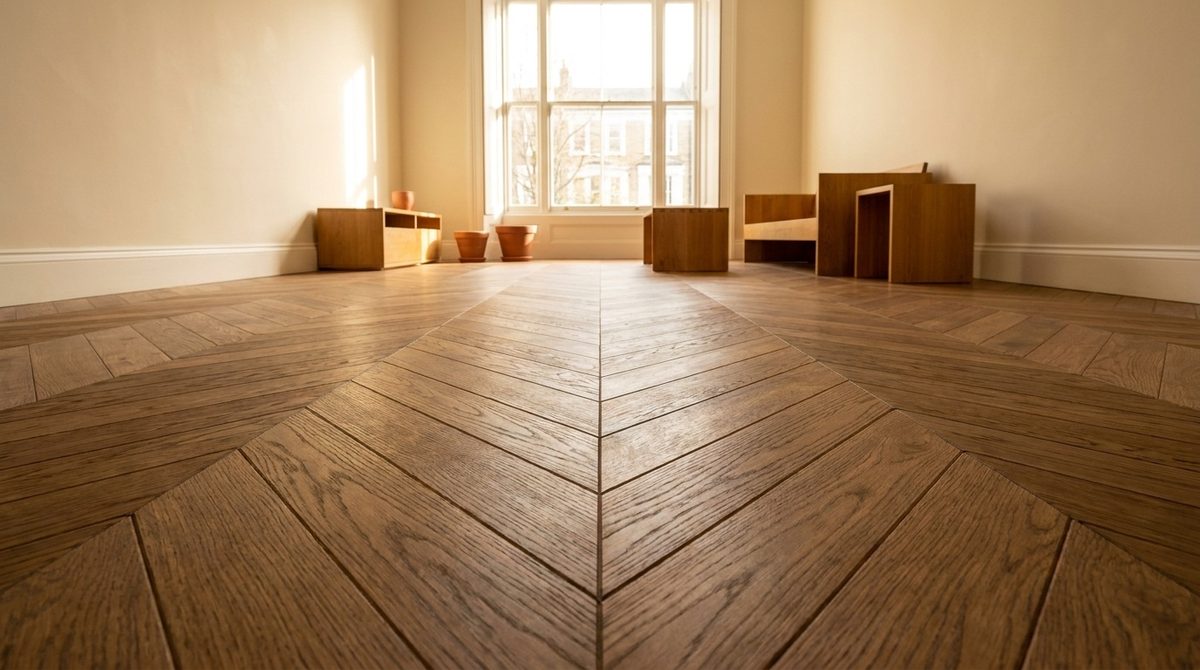
Every block mitred at forty five degrees so the points meet in one unbroken line. More cutting, more waste, and the sharpest floor we lay.
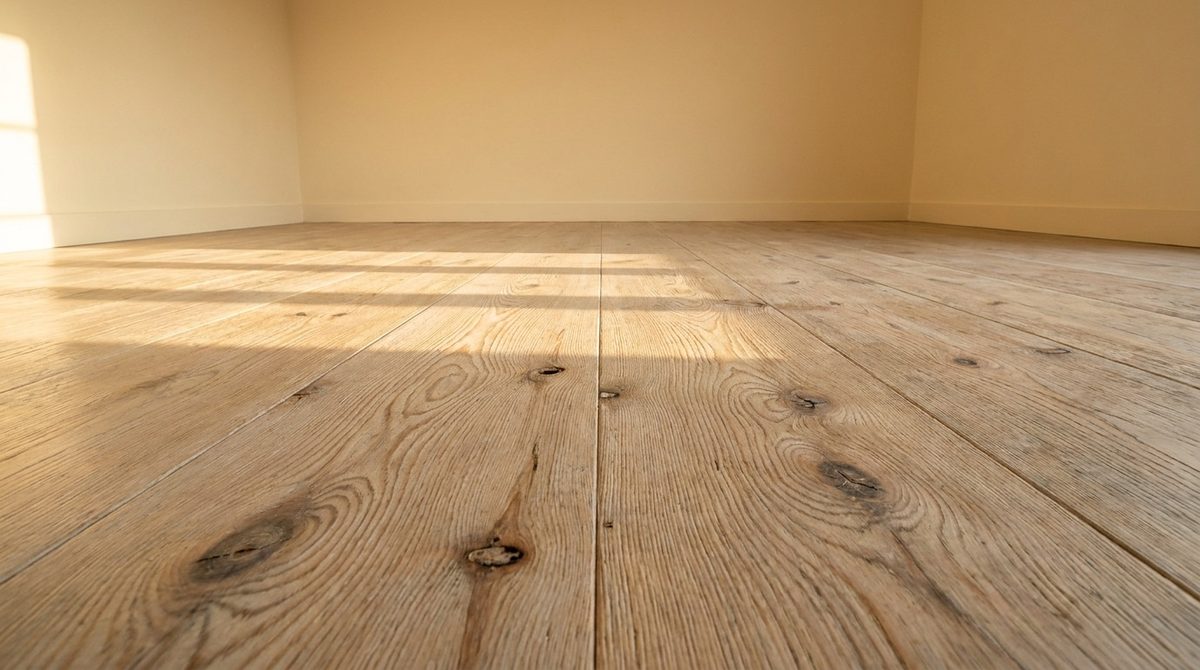
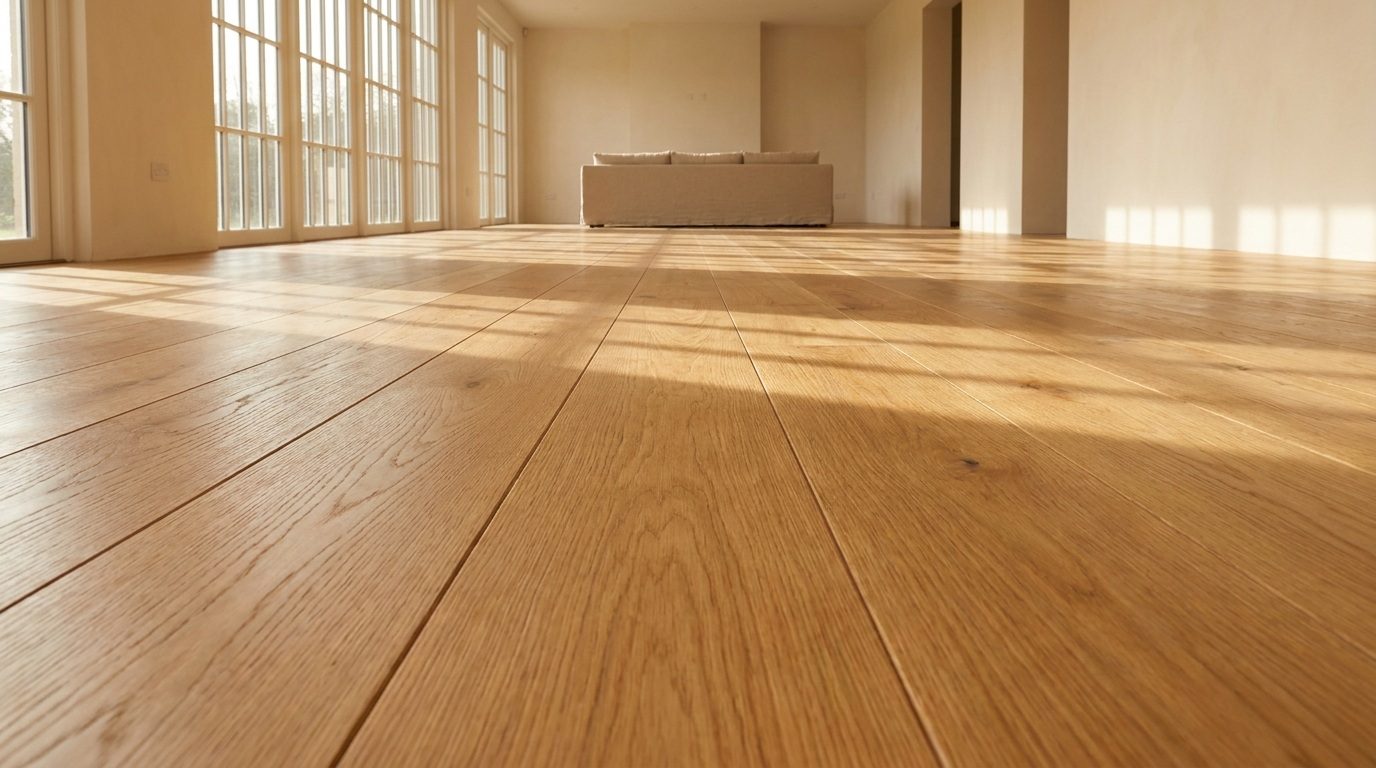
Boards from 220 mm up, racked so no two joints line up and the strongest figure lands where you walk in. Quiet, modern, and the fastest to lay.
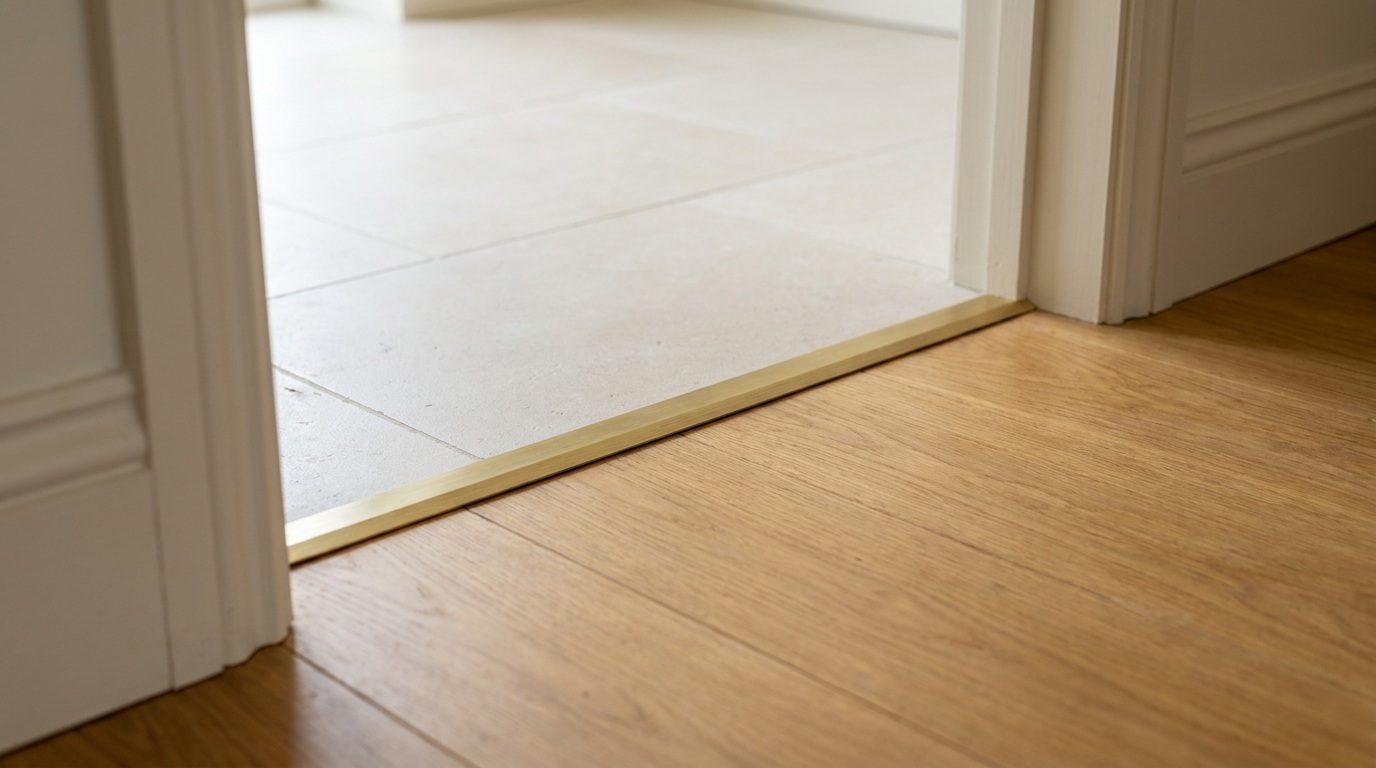
A floor is judged at the doorways, where one surface has to meet another dead level.Ellis Bray · Founder
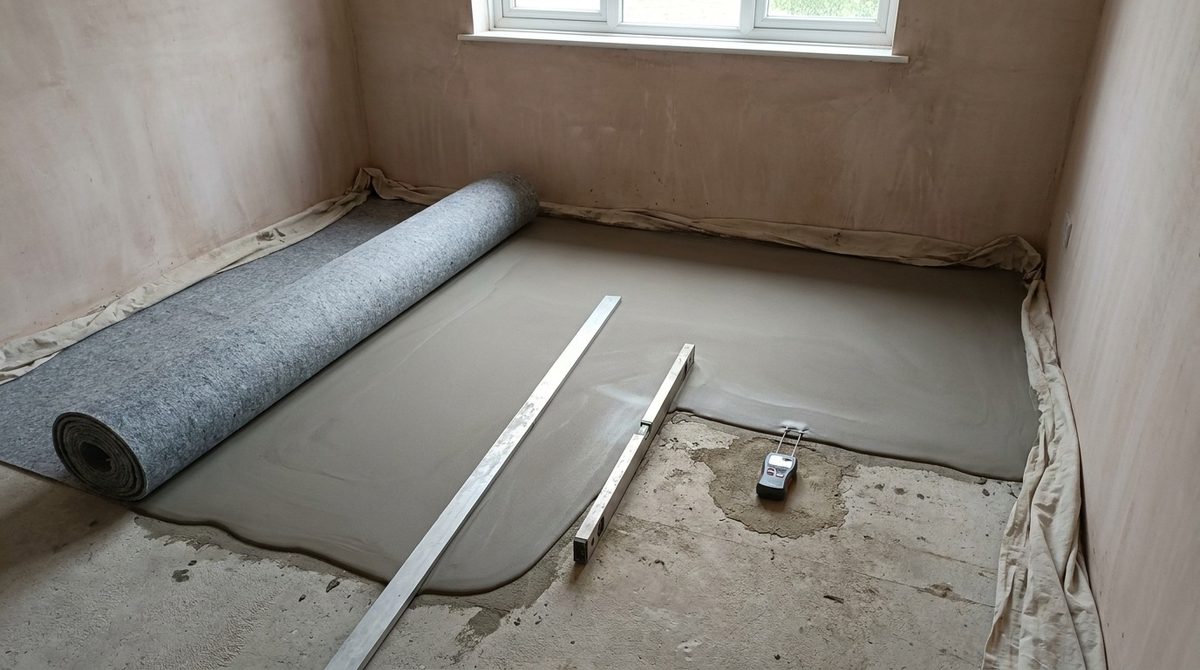
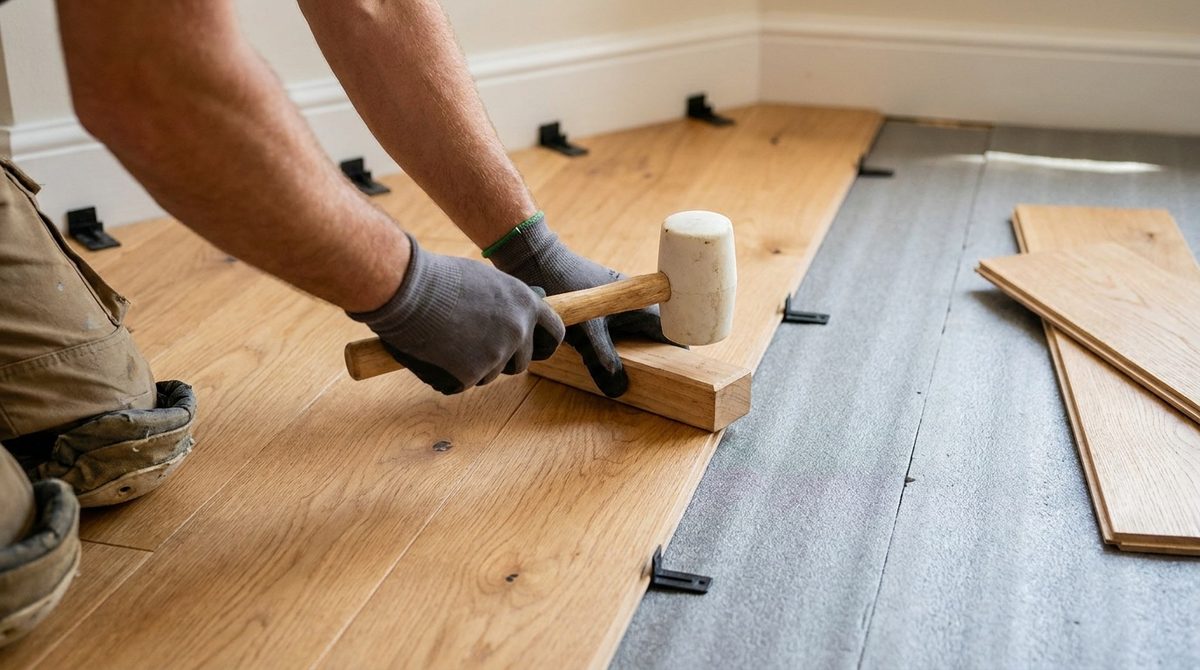
Cupping, creaking and gapping almost always trace back to what was under the boards, not the boards themselves. Grainhouse spends the first day of every job on the ground you never see again.
We probe the screed or timber deck for moisture, check level across the full span with a six foot straight edge, and log the readings before anything is ordered.
Dips are filled with a latex levelling compound, loose boards are screwed down, and old adhesive is scraped back. A floor is only as flat as the deck under it.
Timber sits in the room it will live in for seven to ten days, stacked and stickered, so it settles at the humidity of the house rather than the warehouse.
Acoustic underlayment or full bond adhesive depending on the build up, then boards racked by figure and length, expansion gaps set, and every cut scribed to the skirting.
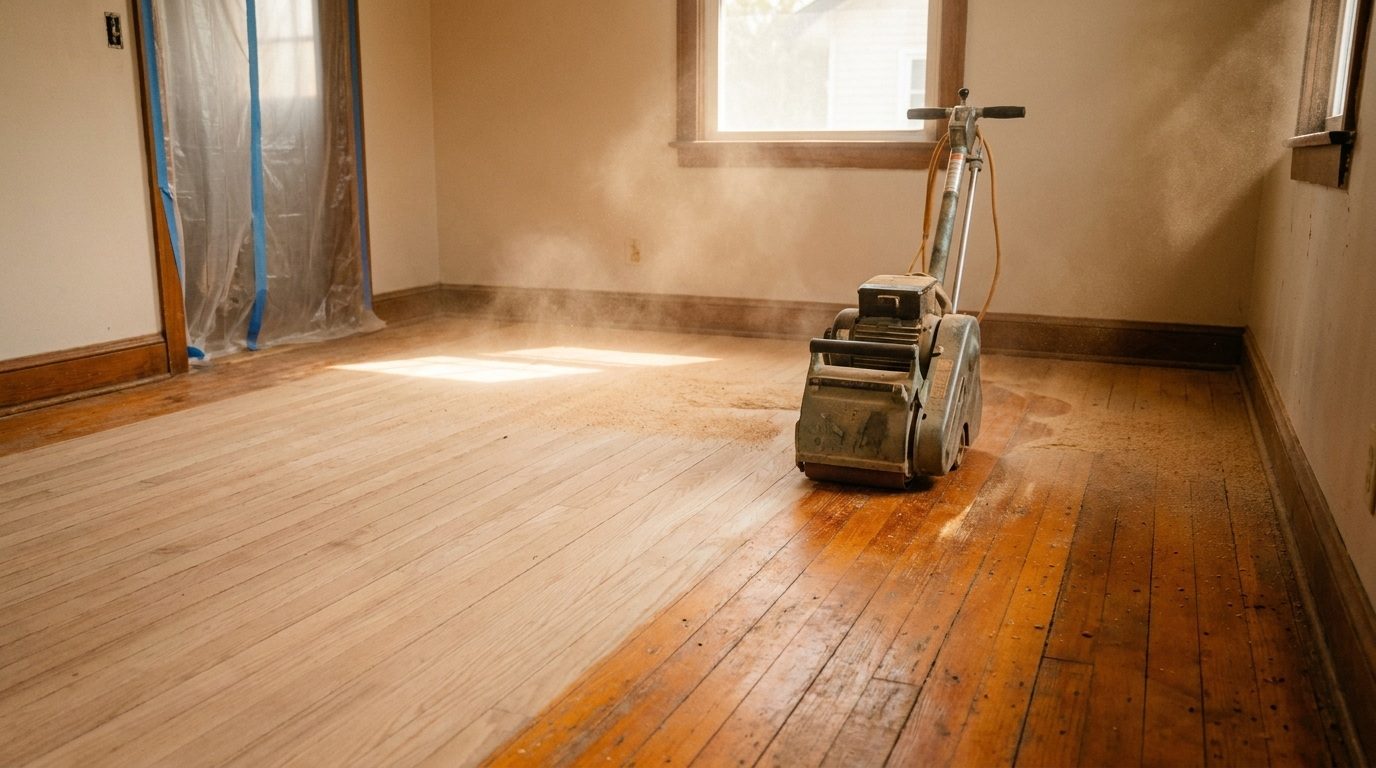
Under most tired carpet in a house built before 1940 there is a timber floor worth saving. Sanding back and refinishing costs a fraction of a new floor and keeps a hundred years of wear in the room.
Carpet, grippers and old tacks come out, loose boards are refixed, and every nail head is punched below the surface so it never meets an abrasive.
Coarse, medium and fine belts across the field, then an edging sander and a hand scraper into the corners and around the hearth. Dust goes to a sealed extractor.
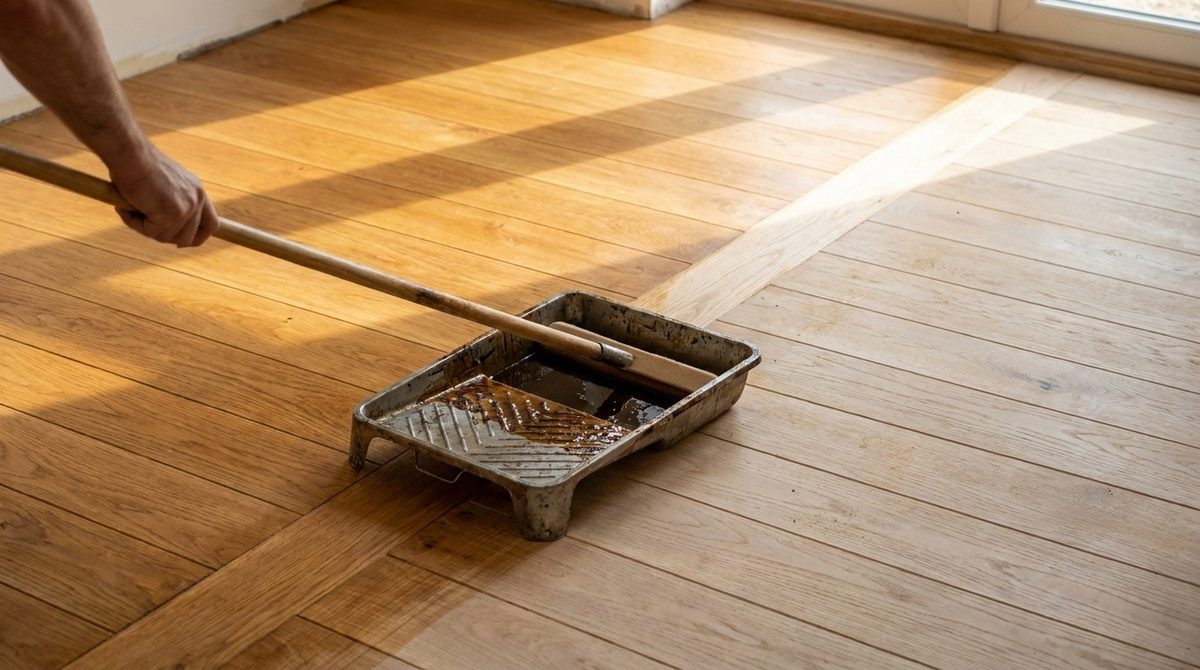
Gaps filled with a resin and sanding dust slurry, color matched on a test patch you sign off, then hardwax oil or a commercial lacquer built up in coats.
Most refinishing jobs run two to four days on site. Timings are illustrative for this fictional company.
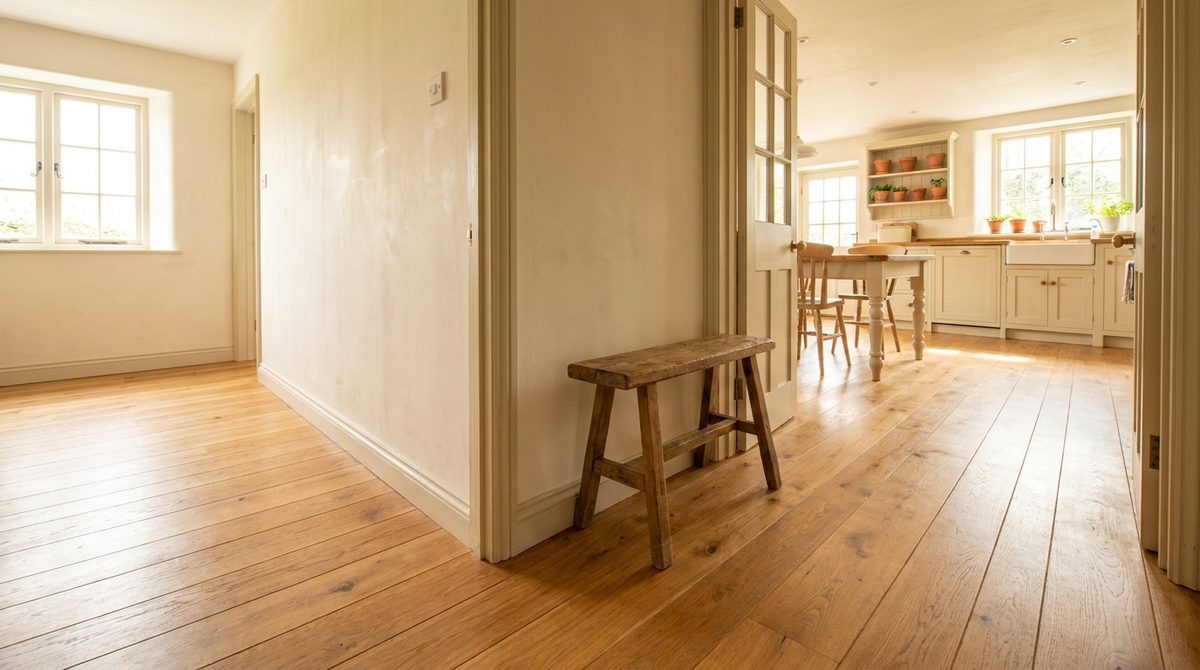
Three recent jobs across the county. Names and towns are illustrative for this concept.
Supplied and fitted, including underlayment, shoe molding and waste. Groundwork is quoted separately because it depends entirely on what we find under the old floor.
Every figure on this page is illustrative and written for a fictional company. A real quotation would follow a site survey, moisture readings, and a look at the deck under the existing floor.
A hardwax oiled floor is meant to be maintained rather than protected. Three habits keep one looking right for a decade.
Grit is what dulls a floor, not water. Vacuum on a hard floor setting, then damp mop with a wrung cloth and a pH neutral soap made for oiled timber. Never let water stand on a seam.
Timber takes up and gives off moisture with the seasons. Fine gaps open in a dry winter and close again by summer. Keeping the house between 40 and 60 percent humidity keeps that movement small.
A maintenance oil buffed over a clean floor takes a day and resets the surface. Full sanding is for damage, not for wear. Felt pads under every chair leg buy you years.
They spent a whole day levelling a floor we were about to cover up, and then explained why. Three winters later there is not a single creak in the hall.
We had written the old boards off and budgeted for new. Grainhouse sanded them back, matched the color to a sample we chose, and it cost a third of the quote we were bracing for.
Quotations are illustrative and written for a fictional company.

A 60 mm sample tells you almost nothing. We keep three full floor decks laid on the shop floor so you can walk them barefoot, and full length boards you can hold up to the window and turn in the light.